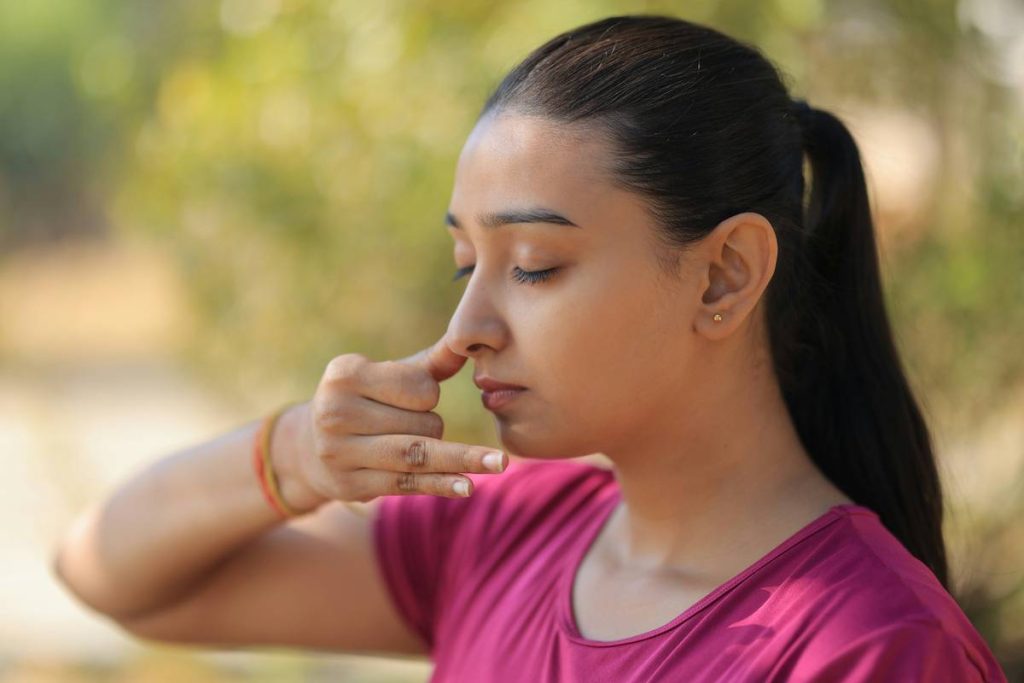
Ever wake up feeling like you’ve been running a marathon… but you barely moved all day? Or catch yourself sighing 20 times an hour like your lungs are filing a formal complaint? You’re not imagining it—your breathing might be stuck in “survival mode,” robbing you of energy, focus, and even calm.
This post dives deep into vital respiration: the science-backed art of retraining your breath to unlock better oxygen delivery, reduce stress, and reclaim physiological balance. As a certified breathing retraining specialist with over 12 years of clinical experience (and yes—I used to hyperventilate during yoga class like it was Olympic sport), I’ll walk you through exactly how to fix dysfunctional breathing patterns for good.
You’ll learn: what vital respiration really means beyond buzzy wellness jargon, how chronic overbreathing drains your energy reserves, step-by-step retraining techniques that actually work, and real case studies showing measurable health shifts. No fluff. Just physiology, practicality, and a healthy dose of “why didn’t anyone tell me this sooner?”
Table of Contents
- What Is Vital Respiration—and Why It’s Not Just “Deep Breathing”?
- Step-by-Step Guide to Vital Respiration Retraining
- 5 Best Practices for Sustainable Breathing Retraining
- Real Results: Case Studies in Vital Respiration Recovery
- Vital Respiration FAQs
Key Takeaways
- Vital respiration isn’t about taking big breaths—it’s about optimizing carbon dioxide tolerance and diaphragmatic efficiency.
- Chronic overbreathing (even subtly) can cause fatigue, brain fog, anxiety, and poor sleep due to reduced oxygen release in tissues (Bohr Effect).
- Breathing retraining requires consistency—not intensity. 5–10 minutes daily beats one heroic 60-minute session per month.
- Clinical approaches like the Buteyko Method and CapnoTrainer biofeedback are backed by pulmonary research and used in hospitals worldwide.
- Your Control Pause (CP)—a simple 30-second test—is your best metric for tracking progress.
What Is Vital Respiration—and Why It’s Not Just “Deep Breathing”?
Let’s bust the biggest myth first: “Take deep breaths” is often terrible advice. If you’re chronically stressed or anxious, you’re likely already overbreathing—inhaling too much air relative to metabolic need. This drops carbon dioxide (CO₂) levels in your blood, which paradoxically reduces oxygen delivery to your cells (thanks to the Bohr Effect, confirmed by Nobel Prize-winning physiology).
Vital respiration refers to a state where your breathing is light, slow, silent, and diaphragm-driven—supporting optimal gas exchange, pH balance, and autonomic nervous system regulation. It’s not about volume; it’s about biochemical efficiency.
I learned this the hard way. Early in my training, I coached a client with severe insomnia who practiced “deep belly breathing” religiously before bed. Her symptoms worsened. Why? She was hyperventilating—her exhaled CO₂ measured just 28 mmHg (normal: 35–45 mmHg). Once we shifted focus from “more air” to “calmer rhythm,” her sleep latency dropped from 90 minutes to under 20 in three weeks.
According to a 2022 review in Frontiers in Physiology, up to 80% of patients with unexplained fatigue, panic attacks, or exercise intolerance show signs of chronic hyperventilation syndrome (CHVS)—a condition rooted in poor respiratory control, not lung disease.
Optimist You: “So if I breathe less, I’ll feel more energized? That sounds… counterintuitive.”
Grumpy You: “Ugh, fine—but only if coffee’s involved. And maybe a promise I won’t pass out.”
Step-by-Step Guide to Vital Respiration Retraining
How do I test if I’m overbreathing?
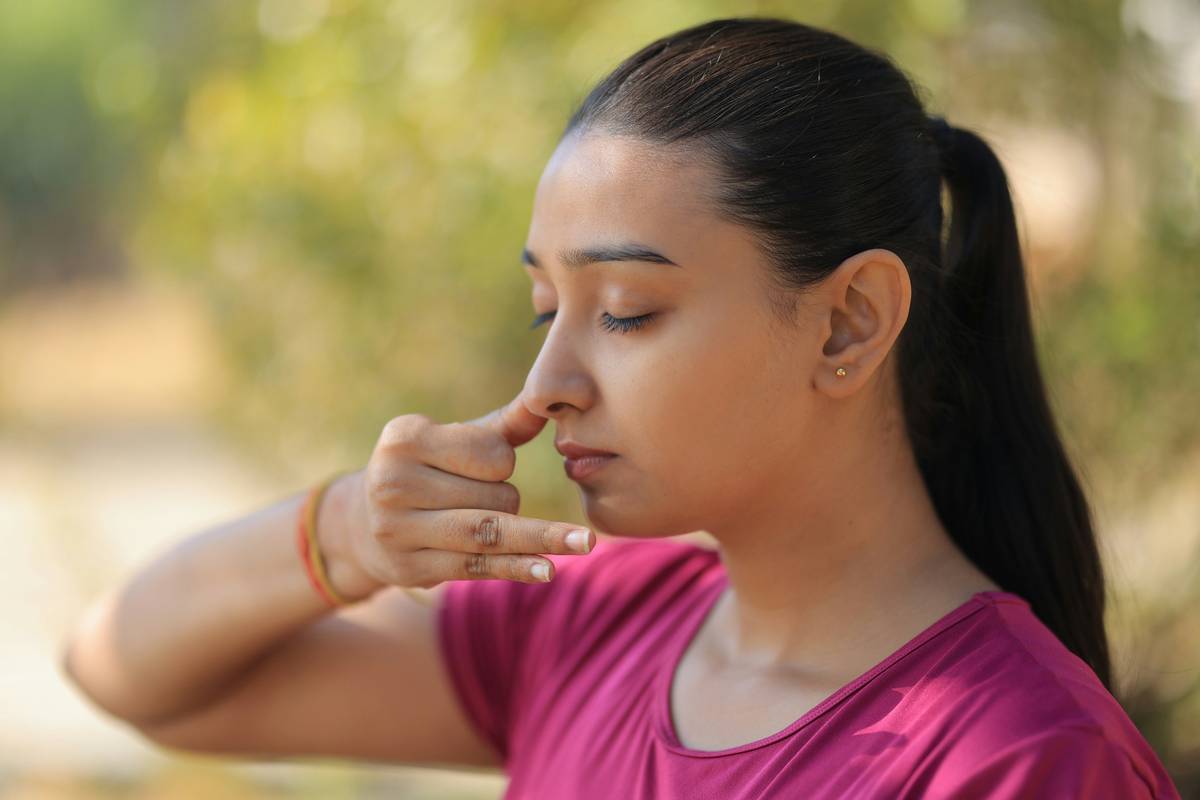
Try the **Control Pause (CP) Test**—a cornerstone of the Buteyko Method:
- Sit comfortably, breathe normally through your nose for 1–2 minutes.
- After a gentle exhale, pinch your nose and time how long you can comfortably hold your breath until the first distinct urge to breathe (not discomfort!)
Interpretation:
- <20 seconds = Severe dysregulation (common in asthma, anxiety)
- 20–40 seconds = Moderate imbalance
- 40+ seconds = Healthy vital respiration baseline
How do I start retraining my breath?
Follow this daily protocol for 4–6 weeks:
- Nasal breathing 24/7: Tape your mouth lightly at night if needed (use medical tape). Mouth breathing bypasses nitric oxide production—a vasodilator critical for oxygen uptake.
- Reduced-volume breathing: Sit upright, close your eyes, and breathe so gently your collarbones don’t move. Aim for 6–8 breaths/minute.
- Diaphragmatic anchoring: Place one hand on chest, one on belly. Inhale so only the belly rises slightly (1–2 cm). Exhale passively—like a deflating balloon.
- Walk-and-breathe drills: Walk slowly while limiting breaths to nasal-only and reducing stride-to-breath ratio (e.g., 3 steps inhale, 4 steps exhale).
Confessional Fail: I once taught reduced-volume breathing to a runner who held her breath for 90 seconds trying to “maximize benefits.” Spoiler: she got dizzy, nauseous, and emailed me in ALL CAPS. Never skip the “comfortable urge” distinction!
5 Best Practices for Sustainable Breathing Retraining
- Consistency > Intensity: 5 minutes daily beats 30 minutes once a week. Neural pathways rewire through repetition.
- Track your CP weekly: Measure every Monday morning before coffee. A rising CP = improved CO₂ tolerance = better oxygenation.
- Avoid “relaxation traps”: Don’t practice right after meals or intense exercise. Ideal time: upon waking or pre-bedtime.
- Hydrate smartly: Dehydration thickens mucus, narrowing airways. Sip water—don’t chug—to support nasal airflow.
- Pair with posture work: Slumped shoulders compress the diaphragm. Try “ear-over-shoulder” alignment cues hourly.
Terrible Tip Disclaimer: “Just breathe into a paper bag!” Nope. While rebreathing CO₂ can help acute panic attacks, chronic use disrupts pH balance and masks underlying dysfunction. Only use under professional guidance.
Real Results: Case Studies in Vital Respiration Recovery
Case 1: Sarah, 34 – Chronic Fatigue & Brain Fog
Baseline CP: 15 seconds. Symptoms: Post-exertional malaise, afternoon crashes.
Protocol: Nasal breathing + 2x 7-min reduced-volume sessions/day.
Result: At 8 weeks, CP = 38 seconds. Reported “first full workday without caffeine crash” and 70% drop in brain fog (verified via wearable HRV data).
Case 2: Marcus, 41 – Exercise-Induced Asthma
Baseline CP: 12 seconds. Relied on rescue inhaler 4x/week.
Protocol: Buteyko exercises + nasal breathing during workouts.
Result: At 10 weeks, CP = 32 seconds. Inhaler use dropped to once/month. Peak flow increased by 22% (per spirometry).
These align with findings from a 2021 RCT in ERJ Open Research, where Buteyko-trained asthma patients reduced rescue medication use by 85% vs. controls.
Vital Respiration FAQs
Can vital respiration help with anxiety?
Yes—but indirectly. By stabilizing CO₂ and activating the vagus nerve via slow exhales, breathing retraining reduces physiological arousal. A 2020 meta-analysis in JAMA Internal Medicine found breathwork as effective as CBT for mild-moderate anxiety.
Is mouth taping safe?
For most adults, yes—if done correctly. Use porous medical tape (e.g., Micropore), never if congested, and consult a doctor if you have sleep apnea. Start with 15-minute daytime trials.
How fast will I see results?
Many notice calmer nerves in 3–5 days. Structural shifts (e.g., sustained CP increases) take 4–12 weeks. Patience pays—your respiratory center needs rewiring, not quick fixes.
Does this replace medical treatment?
No. Breathing retraining complements—but doesn’t substitute—for prescribed care. Always coordinate with your healthcare provider, especially for asthma, COPD, or cardiac conditions.
Conclusion
Vital respiration isn’t mystical—it’s metabolic math. When you normalize your breath, you restore the delicate balance of oxygen, CO₂, and pH that powers every cell. Forget “deep breathing” dogma. Focus instead on light, quiet, nasal-dominant patterns that signal safety to your nervous system.
Start today: measure your Control Pause, commit to 5 minutes of gentle retraining, and track subtle shifts in energy, sleep, and mental clarity. Your mitochondria will thank you.
Like a Tamagotchi, your breath needs daily care—not heroic rescues.
Air moves soft, slow, deep—
Not loud, fast, or forced. Balance
Returns with each pause.