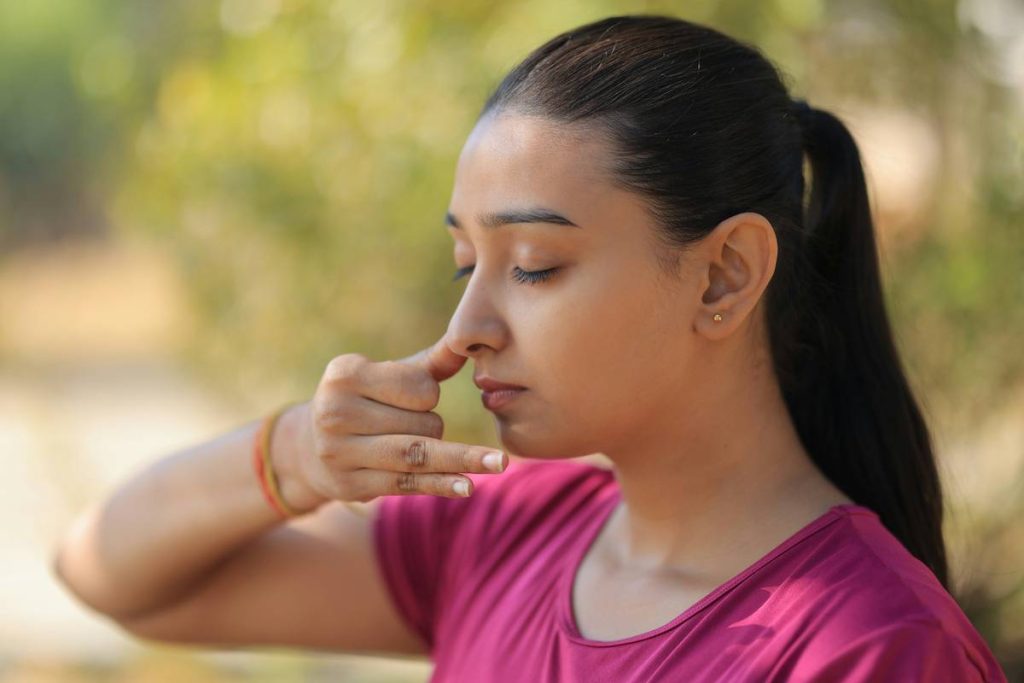
You’re breathing all day—but are you actually breathing right? Modern life hijacks our natural rhythm: shallow chest breaths, chronic hyperventilation, constant low-grade anxiety. Most “breathing exercises” barely scratch the surface. They offer quick fixes without rewiring your autonomic system. The real solution isn’t more air—it’s smarter airflow. Enter breath flow training: a precise, physiology-driven retraining method that recalibrates your nervous system from the inside out.
Why Traditional Breathing Techniques Fall Short
Box breathing. 4-7-8. Alternate nostril. They feel calming—temporarily. But they don’t address the root: dysfunctional baseline respiration. Your resting breathing pattern sets your stress tone 24/7. If it’s fast, erratic, or mouth-dominated, no daily 5-minute drill will override that neural wiring. And here’s the kicker—many popular techniques actually increase CO2 washout, worsening sensitivity to normal carbon dioxide levels. That’s why you feel light-headed or anxious after sessions. The math is simple: if your control center (the brainstem) misreads CO2 as danger, relaxation is just theater.
breath flow training: A Step-by-Step Retraining Protocol
Forget generic inhale-hold-exhale loops. Breath flow training rebuilds your respiratory baseline using three non-negotiable pillars: nasal dominance, diaphragmatic engagement, and controlled pause tolerance.
Phase 1: Reset Nasal Patency
Mouth breathing = emergency mode. Start every session by clearing nasal passages—steam, saline spray, or gentle humming vibrations. Then seal your lips. Breathe only through your nose for 5 full minutes while seated upright. Feel resistance? Good. That’s your system learning efficiency.
Phase 2: Diaphragm Reactivation
Lie supine with one hand on chest, one on belly. Inhale slowly through the nose—the lower hand should rise first, the upper barely moves. Exhale passively (no forced push). Repeat for 10 cycles. This isn’t about volume; it’s about neuromuscular re-education. Most adults have forgotten how to use their primary breathing muscle.
Phase 3: Controlled Pause Integration
After a normal exhale, gently pinch your nose and hold until the first urge to breathe—not discomfort, just the signal. Release and resume gentle nasal breathing. Wait 60 seconds. Repeat 3x. This builds CO2 tolerance—the true marker of respiratory resilience.

| Method | Daily Time Commitment | Physiological Target | CO2 Tolerance Impact |
|---|---|---|---|
| Standard Box Breathing | 5-10 min | Parasympathetic activation (acute) | Neutral / Slight decrease |
| Wim Hof Breathing | 15-20 min | Alkalosis-induced euphoria | Significant decrease (counterproductive long-term) |
| breath flow training | 8-12 min | Baseline chemoreceptor recalibration | Progressive increase |
The Industry Secret No One Talks About
Here’s what breathing app founders won’t admit: most “guided sessions” are designed for retention—not results. Longer breath holds, dramatic music, biofeedback visuals—they create dependency. Real respiratory retraining requires boredom. Monotony. The magic happens in the quiet consistency of low-stimulus practice. But—and this is critical—you must measure progress objectively. Use the Control Pause test weekly: time how long you comfortably hold after a normal exhale. If it’s not increasing by 2-3 seconds every 10 days, you’re either overdoing it or under-challenging your system. Precision beats intensity every time.
Frequently Asked Questions
How quickly does breath flow training reduce anxiety?
Most notice calmer baseline states within 7–10 days of consistent practice. Full autonomic recalibration takes 6–8 weeks.
Can I do breath flow training if I have asthma?
Yes—with medical clearance. Many asthmatics see reduced rescue inhaler use. Start with Phase 1 only; skip pauses until stable.
Is breath flow training the same as the Wim Hof Method?
No. Wim Hof emphasizes hyperventilation and cold exposure. Breath flow training avoids hyperventilation entirely—it’s about restoring natural, efficient breathing.