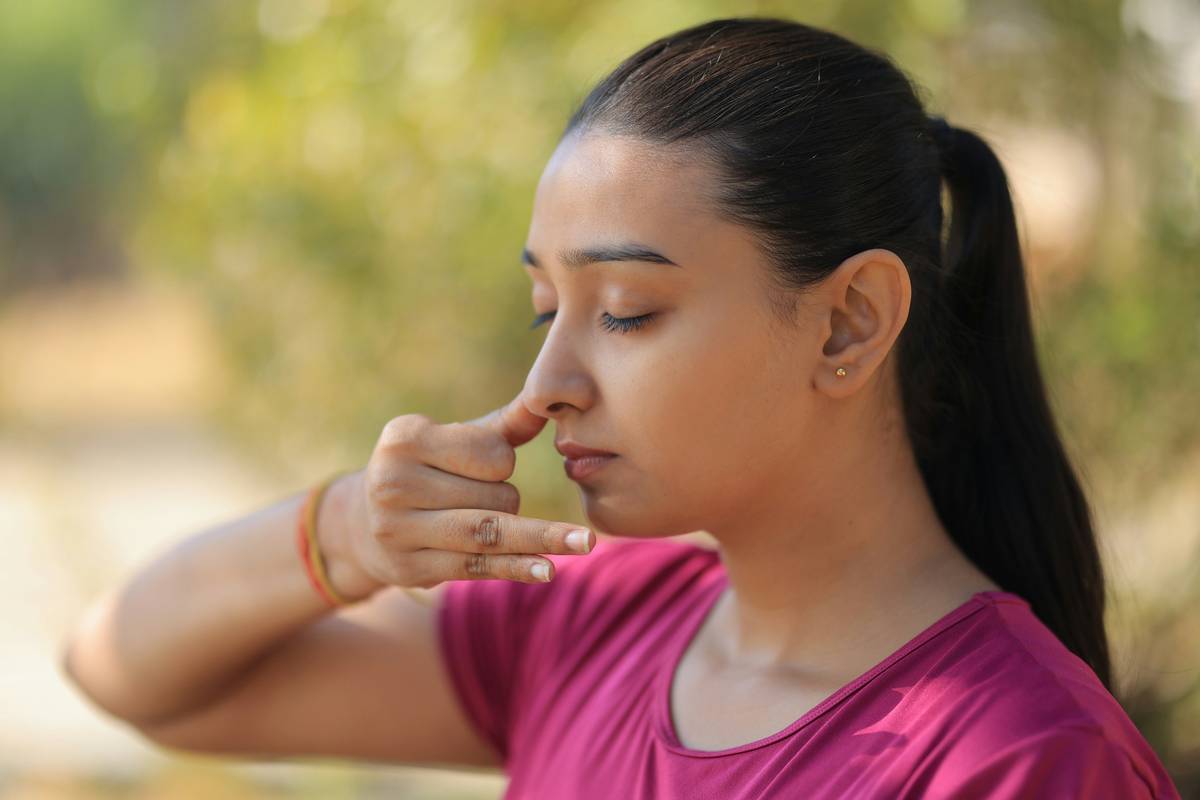
You wake up tired. Your chest feels tight by 10 a.m. You breathe—but barely. Hours pass with shallow, unconscious gasps. And no amount of caffeine fixes the fog. Here’s the problem: most people think breathing is automatic—something you don’t need to “fix.” But chronic over-breathing silently drains oxygen delivery, spikes anxiety, and sabotages sleep. The solution isn’t more air—it’s natural respiration: slower, quieter, diaphragmatic, and rhythmic.
Why Most Breathing Advice Fails You
Popular apps and influencers push “deep breathing” like it’s a performance sport—big inhales, dramatic exhales, timed holds. Sounds smart? It’s often counterproductive. Over-breathing—even when intentional—lowers CO₂ levels too fast. And CO₂ isn’t just waste gas; it’s the key that unlocks oxygen release from hemoglobin into your cells (thanks, Bohr Effect). Drop CO₂ too low, and your brain, muscles, and organs get starved—not flooded—with oxygen.
Think about it. You’ve probably tried box breathing during panic attacks… only to feel lightheaded or more wired. That’s not your fault. That’s flawed technique.
How to Retrain Your Breath for Real Results
Step 1: Audit Your Baseline
For one minute, count your breaths at rest. Normal? Under 12. Most adults clock in at 15–20. If you’re above 14, you’re likely chronically hyperventilating—at a cellular level.
Step 2: Practice Gentle Nasal Diaphragmatic Breathing
Inhale softly through your nose for 4 seconds—belly rises, chest stays still. Exhale through your nose for 6 seconds. No force. No sound. Just smooth, silent flow. Do this 5 minutes, twice daily. Not during stress—build capacity when calm.
Step 3: Introduce Breath Holds (Only When Ready)
After 2 weeks of quiet baseline breathing, try this: exhale fully… pause for 3 seconds… then inhale. Gradually extend the pause—not the inhale. This gently resets CO₂ tolerance without triggering panic.

| Method | CO₂ Impact | Best For | Risk if Misapplied |
|---|---|---|---|
| Box Breathing (4-4-4-4) | ↓↓ Rapid CO₂ drop | Short-term focus tasks | Anxiety flare-ups, dizziness |
| Natural Respiration (4-6 nasal) | ↑ Steady CO₂ retention | Daily regulation, sleep prep | Minimal—if practiced gently |
| Wim Hof Breathing | ↓↓↓ Severe alkalosis risk | Experienced users only | Hypoxia, fainting, arrhythmia |
| Pursed-Lip Breathing | → Mild CO₂ boost | COPD patients, post-exertion | Over-reliance may mask dysfunction |
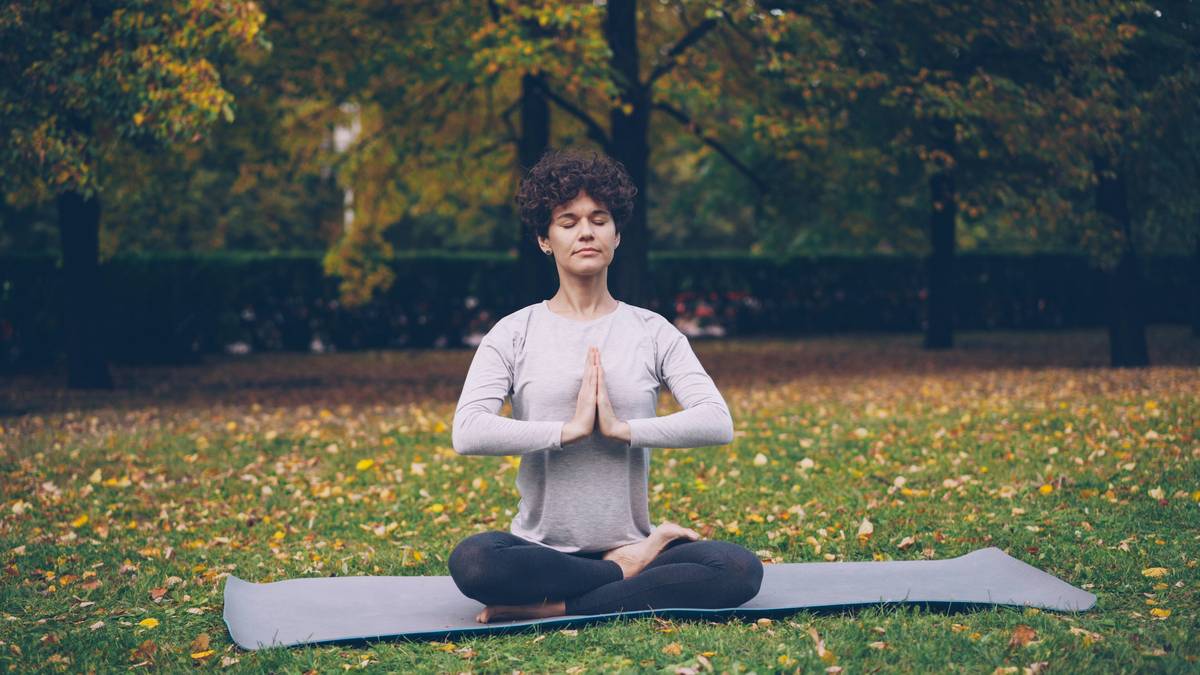
The Industry Secret: CO₂ Tolerance Is Your Hidden Vital Sign
Here’s what no wellness brand tells you: your ability to comfortably hold your breath after a normal exhale (the Control Pause test) predicts nervous system resilience better than heart rate variability in some cases. A score under 20 seconds? High stress reactivity. Over 40? You’ve got metabolic flexibility most athletes lack.
I once worked with a tech executive who meditated daily but couldn’t sleep past 4 a.m. His HRV looked great—but his Control Pause was 14 seconds. We dropped all “breathwork” and focused solely on reducing daytime mouth breathing and extending exhalations. In 6 weeks, his sleep normalized. No supplements. No apps. Just natural respiration restored.
Frequently Asked Questions
Is natural respiration the same as diaphragmatic breathing?
Diaphragmatic breathing is part of it—but natural respiration also includes nasal-only airflow, reduced volume, and optimal CO₂ retention. It’s quality over quantity.
How long until I feel benefits?
Most notice calmer nerves within 3–5 days of consistent practice. Deeper shifts—like improved sleep or reduced brain fog—typically emerge by week 2.
Can I do this if I have asthma?
Yes—with caution. Buteyko-style natural respiration is clinically used for asthma. Start slow, avoid forceful holds, and consult your doctor first.