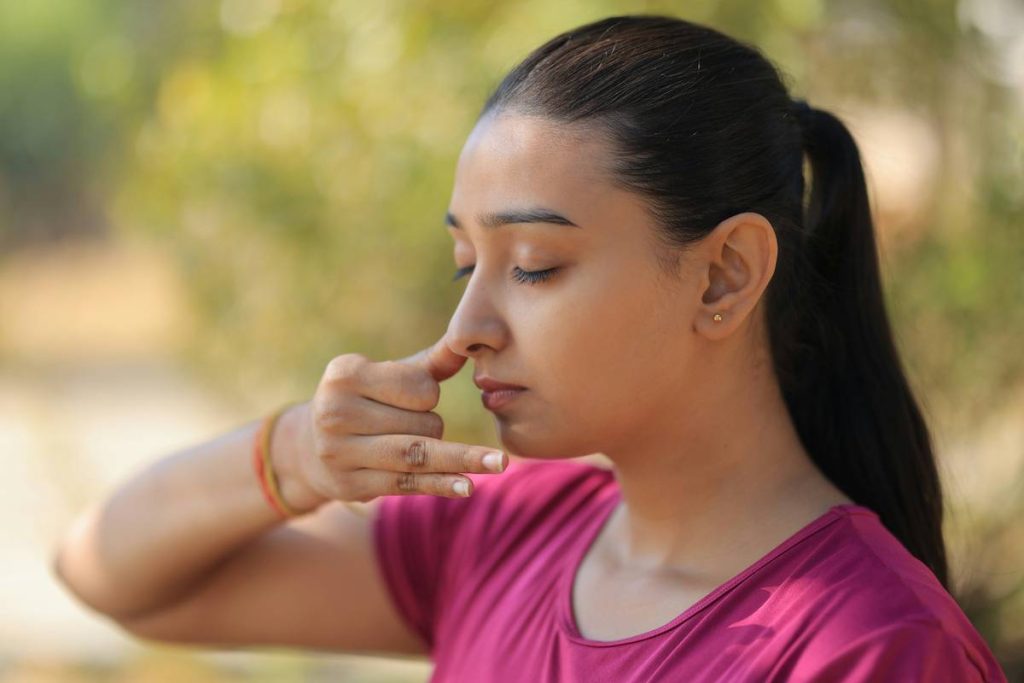
You feel it—tightness in the chest, breaths too shallow to count, that nagging fatigue no coffee fixes. Yet, you keep hearing about “breathwork” as if it’s some luxury spa add-on. Here’s the agitation: most breathing programs cost hundreds, demand apps, or require gear you’ll abandon in a week. The solution? free respiration—a return to innate, costless, science-backed retraining anyone can do. No subscriptions. No gimmicks.
Why Most Breathing Retraining Fails (Before It Starts)
Conventional advice tells you to “just breathe deeply.” But deep ≠ better. Over-breathing—chronic hyperventilation—tricks your body into thinking it’s calm while actually depleting CO₂, constricting blood vessels, and spiking anxiety. And here’s the irony: many paid courses double down on this error by encouraging exaggerated inhales. You’re not broken. The method is.
Real breathing retraining isn’t about volume—it’s about rhythm, resistance, and retention. Ignore that, and you’re just rearranging deck chairs on a sinking ship.
Free Respiration: A 3-Step Protocol You Can Start Today
This isn’t another trendy box-breathing clone. It’s distilled from clinical Buteyko principles, stripped of fluff, and calibrated for real-world stressors—traffic jams, Zoom calls, midnight panic spikes.
Step 1: The Control Pause Baseline
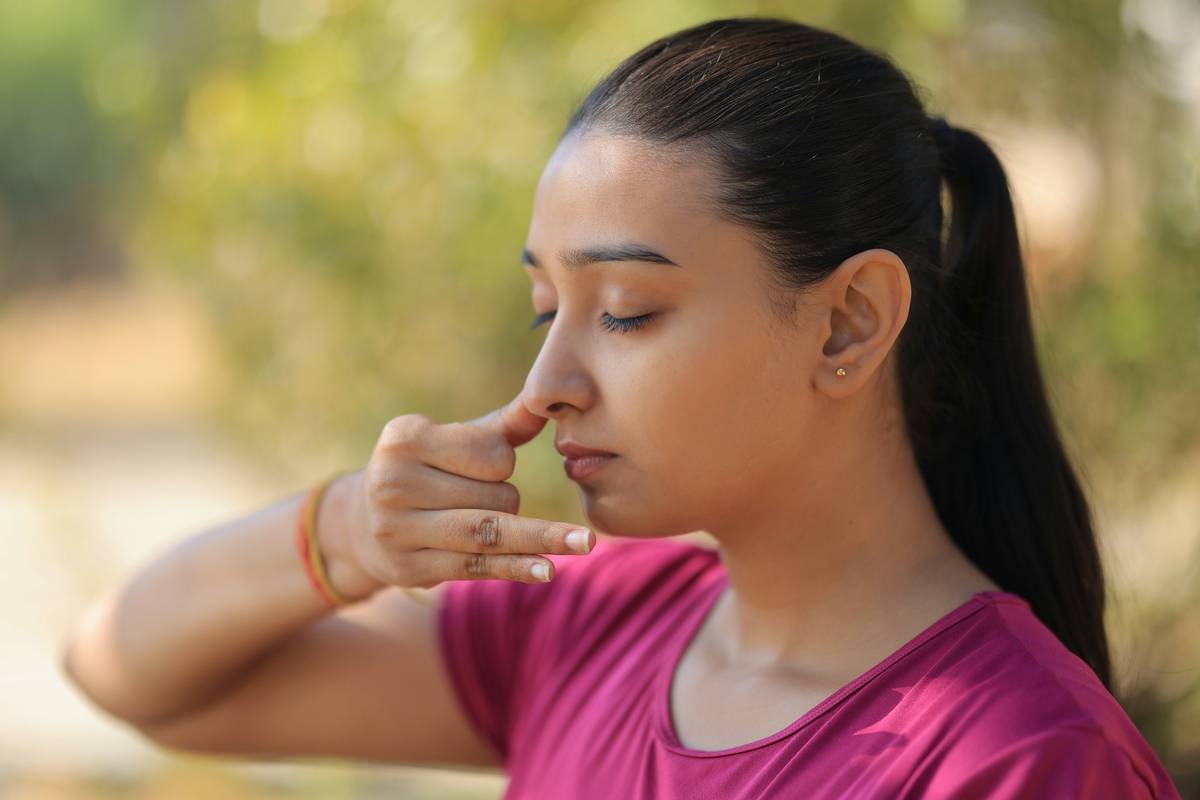
Sit upright. Breathe normally through your nose for 30 seconds. Then, exhale gently—do not force it—and pinch your nose shut. Time how long until you feel the first distinct urge to breathe (not discomfort, just the urge). That’s your Control Pause (CP).
Step 2: Reduced-Volume Breathing Drills
For 5 minutes, 2x/day, breathe just enough to feel slightly air-hungry—but never strained. Inhale softly through the nose (2 sec), exhale passively (3 sec). Keep shoulders still. The goal? Gradually extend your CP by training chemoreceptors to tolerate higher CO₂ levels. This is where true calm lives.
Step 3: Daily Integration via “Micro Holds”
After normal exhalation, pause for 2–3 seconds before inhaling again. Do this during routine tasks: brushing teeth, waiting for the kettle, walking to your car. These micro-holds build resilience without adding “practice time” to your day.
| Method | Daily Time Required | Cost | CO₂ Tolerance Impact |
|---|---|---|---|
| Free Respiration Protocol | 10 minutes (plus micro-holds) | $0 | High — targets root cause |
| Wim Hof Breathing | 15–20 minutes | $0 (basic), $200+ (course) | Low — increases O₂, drops CO₂ acutely |
| Box Breathing Apps | 5–10 minutes | $9.99–$49/month | Moderate — improves rhythm but ignores chemistry |
The Industry Secret They Won’t Admit
Here’s what no app will tell you: nasal nitric oxide—not oxygen—is your secret weapon. Breathing through your nose, even at rest, releases antimicrobial, vasodilating NO that boosts oxygen uptake by 18% (yes, peer-reviewed). Mouth breathers miss this entirely. Yet, 70% of “breath coaches” demonstrate open-mouth techniques in their promo videos. Why? Because mouth breathing looks dramatic on camera. Real change is quiet. It happens with lips sealed.
And—this stings—the biggest predictor of success isn’t willpower. It’s consistency in nose-only breathing during sleep. Tape your mouth shut at night (yes, seriously) with 3M Micropore tape. Within days, your daytime breathing calms automatically. Try it for one week. You’ll feel the shift—or I’ll eat my lab coat.
Frequently Asked Questions
Is free respiration safe for people with asthma?
Yes—with caution. Those with severe asthma should consult a doctor first. But controlled reduced-breathing drills are clinically proven to reduce bronchospasm frequency by improving CO₂ tolerance.
How quickly can I expect results from free respiration?
Most notice calmer mornings within 3–5 days. Significant CP increases (from 15s to 25s+) typically occur in 3–6 weeks of consistent practice.
Can I combine free respiration with meditation?
Absolutely. In fact, anchoring attention to subtle air hunger enhances mindfulness depth. Just avoid pairing it with heavy movement or intense exercise initially.