You wake up tired. Your chest feels tight by 3 p.m. Deep breaths don’t help—they make you lightheaded. You’ve tried box breathing, Wim Hof, even “just relax” advice from well-meaning friends. But your physiology isn’t broken. It’s maladapted. The solution isn’t more air—it’s smarter signaling. Enter pure respiration: a precise recalibration of CO₂ tolerance and neural feedback, not another gimmick.
Why Standard Breathing Advice Backfires
Most breathing techniques chase oxygen like it’s gold. Wrong target. Hyperventilation—yes, even “calm” over-breathing—washes out carbon dioxide. And CO₂ isn’t waste. It’s the master regulator of pH, blood flow, and oxygen release into tissues. Lose too much, and your brain screams danger. Muscles tense. Anxiety spikes.
Apps that count inhales? They miss the metric that matters: alveolar CO₂ pressure. Without tracking that, you’re guessing. And guessing keeps you stuck in symptom management—not resolution.
pure respiration: A Step-by-Step Retraining Protocol
This isn’t meditation with extra steps. Pure respiration is physiological reprogramming. Done daily for 8–12 minutes, it retrains chemoreceptor sensitivity over 4–6 weeks. Consistency beats intensity.
The Control Pause Baseline Test
Sit comfortably. Breathe normally for 30 seconds. Exhale gently through your nose. Pinch your nostrils shut. Time how long until you feel the first distinct urge to breathe—not discomfort, just the signal. That’s your Control Pause (CP). Under 20 seconds? Your system is oversensitive.
The Reduced-Volume Exercise
Breathe in gently through your nose for 3 seconds. Exhale passively—no force—for 4 seconds. After the exhale, pause for 2 seconds before the next inhale. Keep your shoulders still. Your diaphragm should move subtly, not your chest. Do this for 5 minutes. Stop if you feel air hunger—this isn’t about endurance.
Nasal-Only Lifestyle Integration
Sleep with mouth tape (yes, really—use 3M Micropore). Chew slower. Walk while breathing exclusively through your nose—even uphill. These micro-habits reinforce CO₂ retention during passive states, where real adaptation happens.
| Method | Daily Time Required | Primary Mechanism | CO₂ Tolerance Focus? |
|---|---|---|---|
| Box Breathing | 5–10 min | Sympathetic dampening via rhythm | No |
| Wim Hof Breathing | 15–20 min | Controlled alkalosis + cold exposure | Indirect (temporary) |
| Pure Respiration | 8–12 min | Chemoreceptor desensitization | Yes — core objective |
The Industry Secret: Your Nose Knows More Than Your Lungs
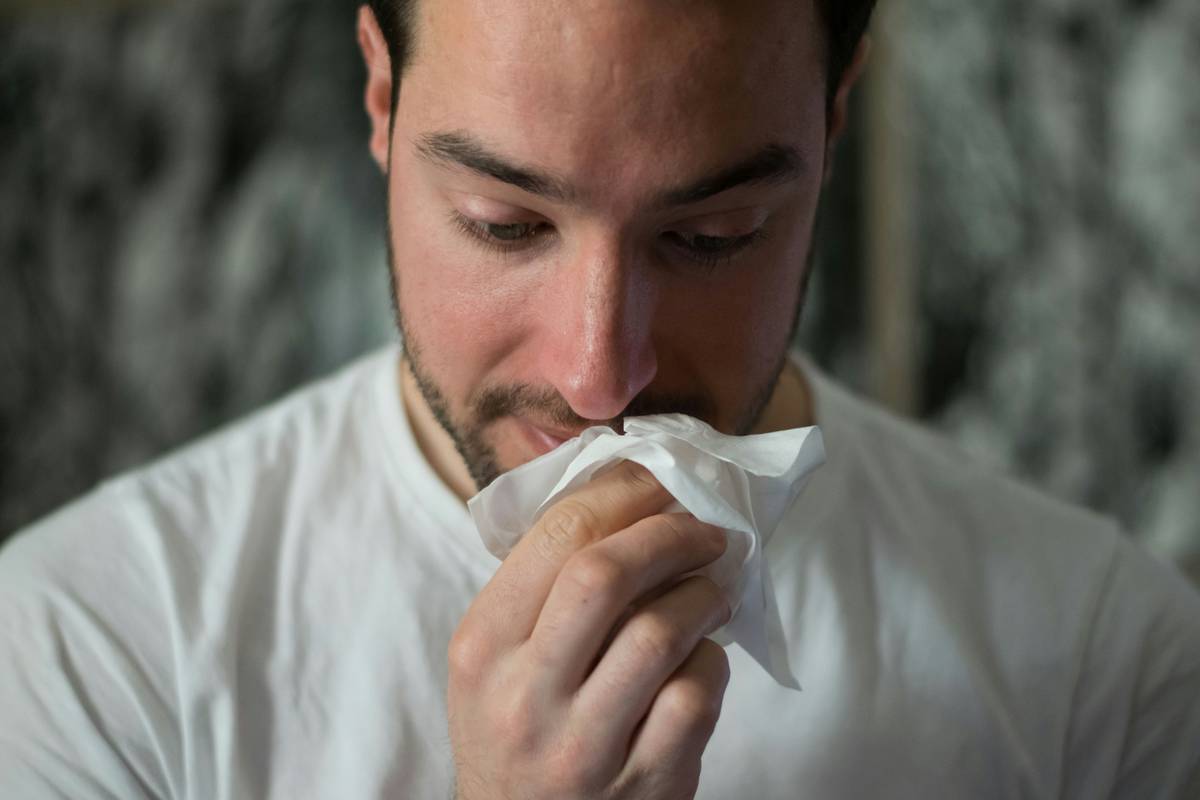
Here’s what no app tells you: nasal nitric oxide (NO) production increases 10-fold during slow, quiet nasal exhalation. NO isn’t just antimicrobial—it’s a potent vasodilator that boosts oxygen uptake by 18% in alveoli. Mouth breathers miss this entirely. But even nasal breathers often exhale too forcefully, collapsing soft palate structures and slashing NO output. The fix? Silent, passive nasal exhales—barely audible. This tiny tweak flips a biochemical switch most practitioners overlook. And it’s free.
Frequently Asked Questions
Is pure respiration safe for people with asthma?
Yes—with caution. Start with 3-minute sessions. Never push into bronchospasm. Many asthmatics see reduced rescue inhaler use within 3 weeks as airway sensitivity decreases.
How soon will I feel results from pure respiration?
Sleep quality often improves in 3–5 days. Noticeable calm during stress typically emerges by day 10. Full chemoreceptor reset takes 4–6 weeks of consistency.
Can I combine pure respiration with other breathing methods?
Not during retraining phase. Stack protocols confuse nervous system signals. Master pure respiration first—then layer in other techniques deliberately, not habitually.