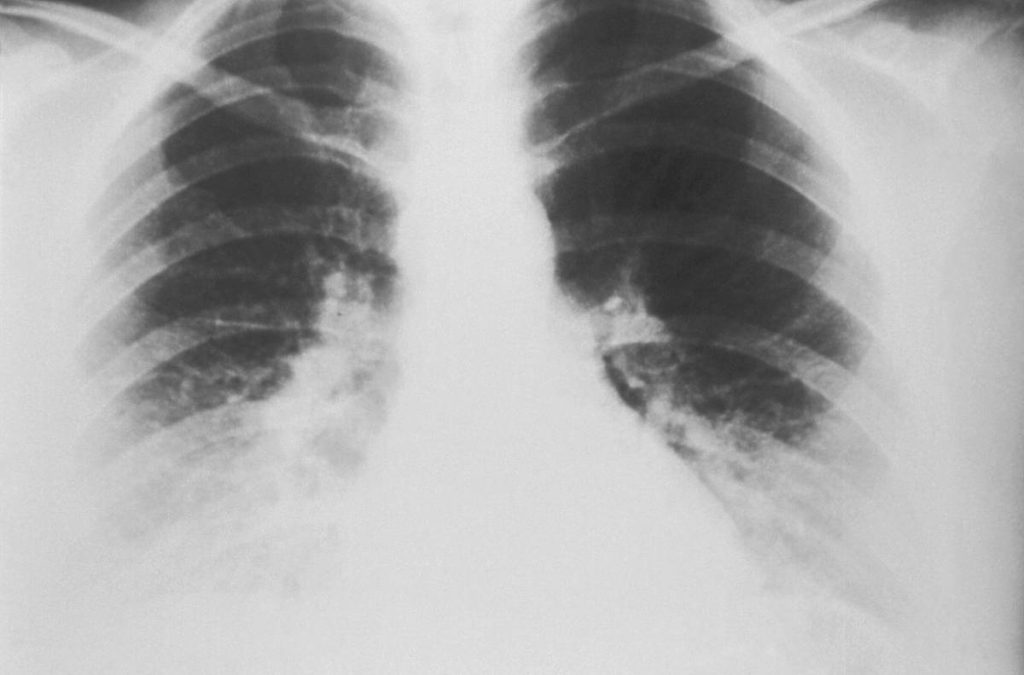
Most people breathe wrong—shallow, fast, from the chest. They feel tired, anxious, dizzy, or short of breath but blame stress, aging, or poor fitness. The real culprit? Chronic over-breathing. And standard advice like “just take deep breaths” often makes it worse. The solution isn’t more air—it’s smarter air. That’s where the lung restoration method comes in.
Why Conventional Breathing Advice Fails
Doctors tell you to “breathe deeply.” Yoga instructors cue “big belly breaths.” Yet many still wake up gasping or can’t catch their breath climbing stairs. Why?
Because volume isn’t the issue—biochemical balance is. Over-breathing flushes CO₂ from your blood faster than your cells produce it. Low CO₂ = constricted airways, reduced oxygen delivery, and that nagging feeling of air hunger. Think about it: hyperventilation doesn’t give you more oxygen—it starves your tissues of it.
And slapping on a “deep breathing” app without addressing this imbalance? It’s like revving a car engine while blocking the exhaust.
The Lung Restoration Method: A Step-by-Step Protocol
This isn’t meditation. It’s physiology-based retraining. Designed for people whose lungs feel “stuck,” “tight,” or perpetually undercharged—even with normal pulmonary tests.
Phase 1: Assess Your Baseline
Do the Control Pause (CP) test: Sit comfortably, exhale gently through your nose, then pinch your nostrils shut. Time how long you can comfortably hold before the first distinct urge to breathe. Less than 20 seconds? Your CO₂ tolerance is low—classic sign of dysfunctional breathing.
Phase 2: Nasal Anchoring
Close your mouth. Breathe only through your nose—day and night. Tape your lips at bedtime if needed (yes, seriously). Nasal breathing filters, humidifies, and boosts nitric oxide production—dilating airways and improving oxygen uptake by 10–18%.
Phase 3: Reduced Volume Drills
Practice “air hunger” tolerance: Sit upright, breathe gently through your nose for 2–3 seconds in, 3–4 seconds out. Then pause for 2 seconds. Repeat for 5 minutes, twice daily. The goal isn’t relaxation—it’s gentle stimulus to recalibrate your brain’s breathing center.

Phase 4: Movement Integration
Walk while maintaining light, quiet nasal breaths. If you gasp or open your mouth, slow down. Over weeks, your aerobic threshold rises—not because your lungs got bigger, but because your body uses oxygen more efficiently.
| Technique | CO₂ Tolerance Impact | Daily Time Required | Expected Shift (4–6 Weeks) |
|---|---|---|---|
| Standard Diaphragmatic Breathing | Mild improvement | 10–15 min | Slight anxiety reduction |
| Buteyko Breathing | Moderate gain | 15–20 min | Better sleep, fewer sighs |
| Lung Restoration Method | Significant recalibration | 8–12 min | +10–25 sec CP, easier exercise, calmer nervous system |

The Industry Secret: It’s Not About the Lungs
Here’s what most coaches won’t say: Your lungs are rarely the broken part. The problem lives in the brainstem’s chemoreceptors—the tiny sensors that misread normal CO₂ levels as dangerous. After years of mouth breathing, stress, or asthma over-treatment, they get oversensitive.
The lung restoration method works because it retrains those sensors—not by flooding the system with oxygen, but by letting CO₂ rise just enough to signal safety. One client of mine—a 52-year-old runner—couldn’t jog 400 meters without wheezing. Pulmonary function tests? Perfectly normal. After 3 weeks of this method? Ran a 5K without stopping. No inhalers. No “lung detox.” Just neural recalibration.
The math is simple: less air, better chemistry, more energy.
Frequently Asked Questions
Is the lung restoration method safe for people with asthma?
Yes—if guided properly. Many asthmatics hyperventilate unknowingly, worsening bronchospasm. This method reduces reliance on rescue inhalers by addressing the root trigger: low CO₂.
How soon will I notice results?
Most feel calmer within 3–5 days. Measurable shifts in breath-hold time and exercise tolerance appear in 2–3 weeks with consistent practice.
Can I combine this with other wellness routines?
Absolutely. It enhances yoga, meditation, and cardio. But avoid pairing it with aggressive “oxygen-boosting” supplements—they work against the CO₂ retention this method requires.