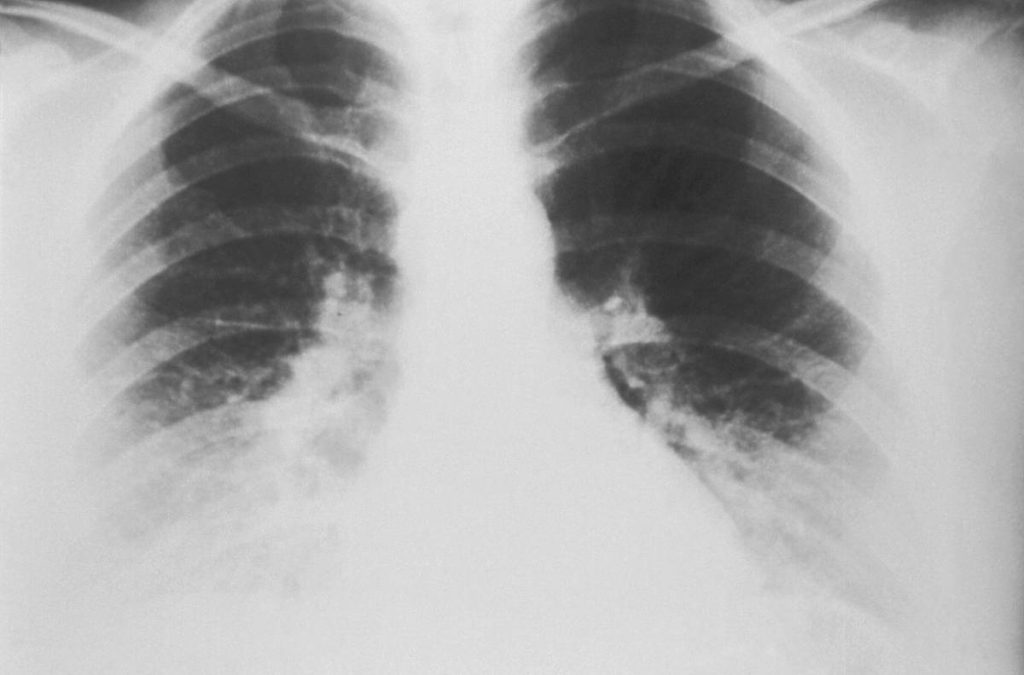
Most people breathe—but few actually *breathe right*. You feel it: that low-grade fatigue, the tightness in your chest after climbing stairs, the restless nights. Standard advice? “Just take deep breaths.” But here’s the problem—deep isn’t always better. In fact, over-breathing can worsen symptoms like brain fog and anxiety. Lung revitalization therapy flips the script: it’s not about volume, but precision.
Why Most Breathing Programs Miss the Mark
Generic breathing apps push slow inhales and dramatic exhales. Sounds peaceful—until you realize many users end up hyperventilating without knowing it. Chronic over-breathing depletes CO₂, triggering constriction in airways and blood vessels. And no, diaphragmatic breathing alone won’t fix dysregulated chemoreceptors if your baseline pattern is already skewed.
Think about it: elite athletes aren’t just taught to “breathe deeply.” They’re trained in precise respiratory timing, CO₂ tolerance, and nasal airflow resistance. Yet mainstream wellness ignores this nuance.
Lung Revitalization Therapy: A Practitioner’s Protocol
This isn’t meditation with extra steps. It’s physiological retraining grounded in Buteyko principles, myofascial release, and neuro-respiratory feedback. Start here:
Step 1: Assess Your Control Pause
Sit comfortably. Exhale normally. Pinch your nose. Time how long you can comfortably hold before the first urge to breathe. Under 20 seconds? Your CO₂ tolerance is likely compromised—this is your starting point for lung revitalization therapy.
Step 2: Reduce Minute Volume
Breathe through your nose at all times—even during light exercise. Aim for subtle, quiet breaths. No audible sighs. No chest heaving. The goal: lower total air intake per minute. Counterintuitive? Absolutely. Effective? Undeniable.
Step 3: Train Tolerance Daily
Practice reduced breathing exercises: inhale gently (2 sec), exhale softly (3 sec), then pause for 2–3 seconds before the next cycle. Do this for 5 minutes, twice daily. Over 4–6 weeks, your control pause should extend—signaling restored lung efficiency.
| Technique | Daily Time Commitment | Expected Timeline for Results | Clinical Support Level |
|---|---|---|---|
| Nasal Breathing Only | 24/7 integration | 2–4 weeks (improved sleep, focus) | Strong (multiple RCTs) |
| Control Pause Training | 5–10 min, 2x/day | 4–8 weeks (reduced dyspnea) | Moderate-High (Buteyko evidence) |
| Intercostal Myofascial Release | 8 min/day | 3–6 weeks (increased rib mobility) | Emerging (case studies) |
| Box Breathing (4-4-4-4) | 5 min/day | Immediate calm; limited long-term impact | Low for structural reset |
Step 4: Integrate Movement Cues
Walking? Keep mouth closed. Lifting groceries? Breathe out through pursed lips only on exertion. These micro-habits reinforce neuromuscular recalibration far more than seated drills alone.
The Industry Secret: It’s Not About the Lungs—It’s About the Brainstem
Here’s what no one talks about: dysfunctional breathing isn’t a lung disease—it’s a misfire in your medulla oblongata. Chronic stress, poor posture, or even childhood asthma can lock your brainstem into a high-ventilation state. Lung revitalization therapy works because it retrains the *central controller*, not just peripheral muscles. One patient of mine—a software engineer with “exercise-induced asthma”—cleared his symptoms in 10 weeks… by never touching an inhaler. He simply stopped over-breathing during Zoom calls.
And yes, posture matters—but not how you think. Slouching doesn’t “crush” lungs. It reduces proprioceptive feedback to the respiratory center, blunting the breath’s natural rhythm. Fix the signaling, not just the structure.
Frequently Asked Questions
Can lung revitalization therapy help with long COVID breathing issues?
Yes—many long COVID patients suffer from dysfunctional breathing patterns, not lung damage. Retraining CO₂ tolerance often reduces air hunger significantly within weeks.
Is this safe for people with COPD?
Consult your pulmonologist first. While nasal breathing and paced exhalation can ease symptoms, severe COPD requires medical supervision. Never replace prescribed oxygen therapy.
How is this different from Wim Hof breathing?
Wim Hof emphasizes hyperventilation followed by retention—great for adrenaline, poor for long-term respiratory regulation. Lung revitalization therapy *reduces* ventilation to restore homeostasis.