You feel it—that subtle but persistent tightness in your chest when stress hits. Your breath becomes shallow, erratic, almost invisible. And no matter how many “deep breathing” apps you try, nothing sticks. Why? Because mainstream advice skips the foundational layer: respiratory discipline. It’s not about taking big breaths. It’s about retraining your nervous system through precise, intentional air control.
Why Most Breathing Techniques Fail
People treat breathing like a quick fix—a 60-second reset between Zoom calls. But real change demands consistency, structure, and physiological awareness most programs ignore. And here’s the harsh truth: if your technique doesn’t address carbon dioxide tolerance, you’re just rearranging deck chairs on the Titanic.
Breathwork influencers sell euphoria, not regulation. They chase hyperventilation highs while your autonomic nervous system craves stability—not spikes. Think about it. How can you expect resilience if your CO₂ sensitivity threshold hasn’t budged?
Step-by-Step Guide to Building Respiratory Discipline
Start with Baseline Measurement
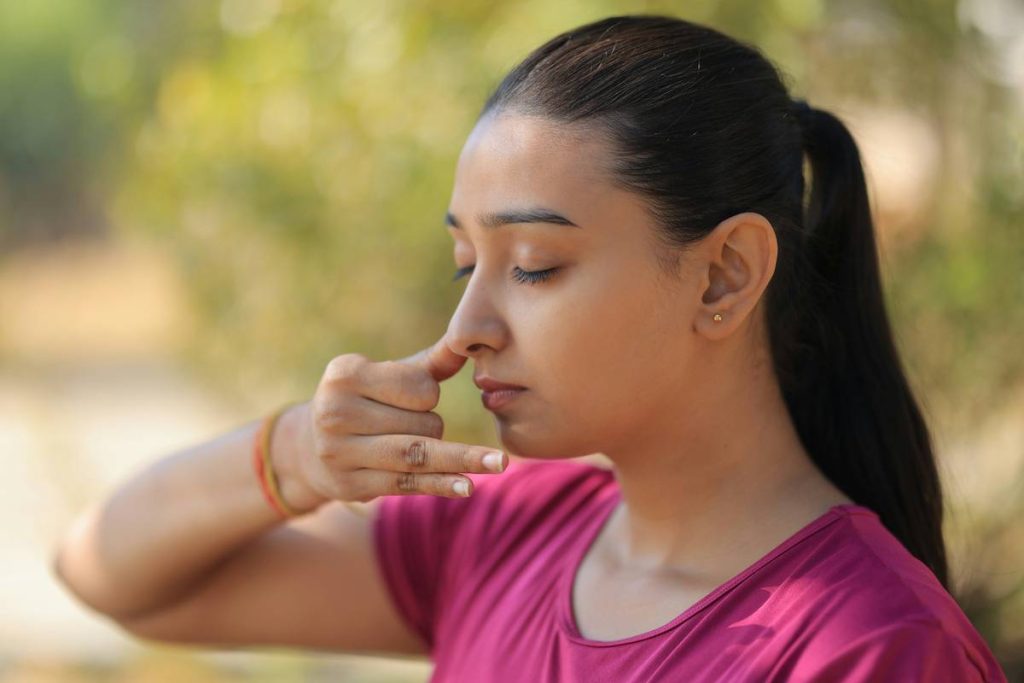
Before changing anything, measure your Control Pause (CP)—a simple test from the Buteyko method. After a normal exhale, pinch your nose and count how long you can comfortably hold your breath until the first urge to breathe. Under 20 seconds? Your body is starved for CO₂ balance.
Daily Air Control Protocol
Practice reduced-volume nasal breathing for 10 minutes, twice daily. No mouth. No sighs. Just quiet, rhythmic inhales and exhales through the nose—like you’re trying not to wake a sleeping cat. Focus on slowing the exhale slightly longer than the inhale. This isn’t relaxation theater. It’s neural rewiring.
Progressive CO₂ Tolerance Training
Once baseline CP improves past 25 seconds, introduce gentle breath holds after exhalation—never after inhalation. Start with 5 seconds, add 2 weekly. The goal isn’t endurance; it’s teaching your brain that elevated CO₂ isn’t danger—it’s data.
| Technique | Daily Time Commitment | CO₂ Tolerance Impact | Best For |
|---|---|---|---|
| Buteyko Reduced Breathing | 10–20 min | High | Anxiety, asthma, sleep apnea |
| Box Breathing (4-4-4-4) | 5–10 min | Moderate | Performance focus, acute stress |
| Holotropic Breathing | Session-based (30+ min) | Low/Negative | Emotional release (not discipline) |
| Wim Hof Method | 15–20 min | Variable | Cold exposure synergy, immune modulation |
The Industry Secret: It’s Not About Oxygen—It’s About Retention
Here’s what clinics won’t tell you: oxygen saturation rarely drops in healthy adults during stress—it’s the premature gasp response triggered by CO₂ intolerance that hijacks your composure. Elite breath coaches quietly track CP scores like athletes track VO₂ max. Yet public content obsesses over “oxygenating your cells,” which is mostly irrelevant at sea level.
But—when you train CO₂ tolerance, you delay that panic-triggered inhalation. You gain milliseconds that feel like minutes. That’s where true emotional regulation lives. Not in deep breaths, but in the disciplined space between them.
Frequently Asked Questions
Is respiratory discipline the same as breathwork?
No. Breathwork often seeks altered states. Respiratory discipline builds baseline autonomic stability—think maintenance, not intervention.
How soon can I see results?
Most notice calmer mornings within 7–10 days of consistent nasal breathing practice. Measurable CP gains appear by week three.
Can I combine this with meditation?
Absolutely—but lead with breath control first. A regulated respiratory system makes mindfulness effortless, not forced.